
Protein, Nourishment, and Brain Function

What Is Protein?
Protein is one of the main nutrients the body uses to build, repair, and maintain itself. It is made up of smaller units called amino acids, which act like building blocks for many structures and processes in the body.
Every cell in the body contains protein. From muscles and organs to enzymes and hormones, protein plays a role in helping the body function, adapt, and recover from daily stress.
Rather than being about strength or appearance, protein is fundamentally about support and maintenance, helping the body do what it already knows how to do.
Types of Protein
Proteins come from a wide variety of foods and sources. They can be grouped in different ways, but one helpful distinction is based on amino acid variety.
Complete proteins: These provide all the amino acids the body needs to carry out essential functions. They can come from both animal-based and plant-based sources.
Complementary proteins: Some foods provide different amino acids that work together across meals. The body is flexible and capable of using these building blocks over time to meet its needs.
What matters most is not perfection or precision, but regular nourishment that gives the body consistent access to these building blocks.
How Protein Supports the Body
Protein plays a key role in repair and renewal. The body is constantly breaking down and rebuilding tissues, even when we’re resting. Protein supports this ongoing process by helping to:
Repair everyday wear and tear
Support immune function
Maintain organs, skin, hair, and connective tissue
Create enzymes that help chemical reactions happen efficiently
When the body has enough protein available, it can focus less on conservation and more on
healing and balance.
Protein and Muscle Health
Muscles are not just about movement or exercise: they also support posture, circulation, and joint stability. Protein helps maintain muscle tissue so the body can move comfortably and efficiently through daily life.
In recovery, this support is especially important. When nourishment has been inconsistent in the past, the body may prioritize protection. Regular access to protein helps signal safety, allowing the body to rebuild trust in its environment.
The Role of Protein in Brain Function
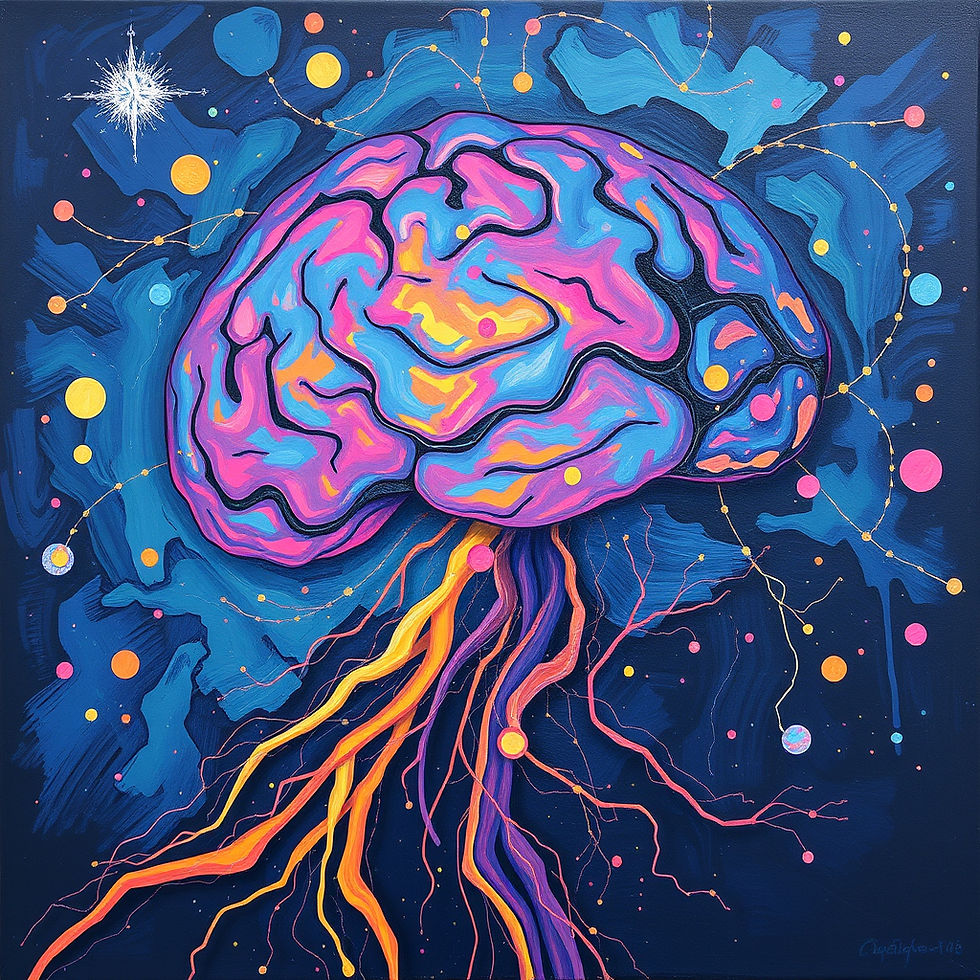
From a neuroscience perspective, protein is deeply connected to brain health.
Amino acids from protein are used to create neurotransmitters; chemical messengers that allow brain cells to communicate with one another. These messengers are involved in:
Emotional regulation
Focus and attention
Sleep and alertness
Stress response
When the brain has access to the materials it needs, communication between neurons tends to feel steadier. This doesn’t mean food controls emotions, but it does mean nourishment helps create a foundation where the brain can function with less strain.
For people in recovery, this can support feelings of clarity, stability, and mental resilience over time.
Protein and Hormonal Balance
Hormones are chemical signals that help coordinate processes throughout the body, including mood, energy, and internal rhythms. Many hormones rely on protein for their structure or production.
Consistent nourishment, including protein, helps support these signaling systems so the body doesn’t need to stay in a constant state of adaptation or stress.
Common Myths About Protein
There are many misconceptions about protein that can make it feel intimidating or overly technical.
Myth: Protein is only important for athletes or bodybuilders.
In reality, protein supports basic body maintenance for everyone, regardless of activity level.
Myth: You have to eat protein in a specific way or at specific times.
The body is adaptable and capable of using protein across the day. Regular nourishment matters more than timing rules.
Myth: More protein is always better.
Protein works best as part of balanced nourishment, alongside carbohydrates and fats. These nutrients support each other rather than compete.
Protein in a Recovery-Centered Perspective
In recovery spaces, protein doesn’t need to be framed as a goal, requirement, or metric. It can simply be understood as one of the ways the body receives care.
Eating protein is not about fixing yourself or optimizing your body. It’s about giving your system the tools it needs to repair, regulate, and feel safe enough to function without constant stress.
Final Thoughts on Protein and Well-Being
Protein supports the body quietly and continuously, helping rebuild tissues, support the brain, and maintain internal balance. When included as part of regular, compassionate nourishment, it becomes less about rules and more about care.
Recovery is not about doing food “right.” It’s about showing up for your body consistently and allowing it to heal in its own time. Protein is one of many ways that healing is supported, working gently in the background.


Comments